The 30-Day Konbini Verdict: What US Consumer Brands Must Prove Before Japan's Shelf Review
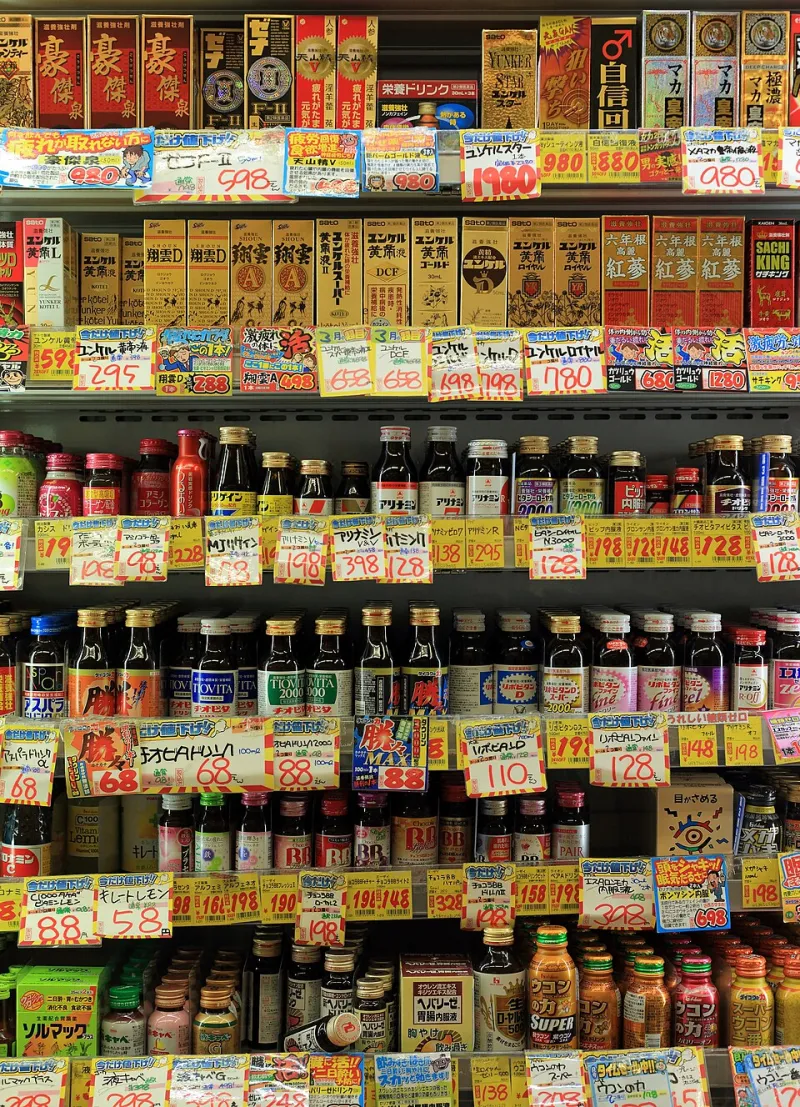
Photo: Martin Falbisoner, CC BY-SA 4.0, via Wikimedia Commons
For many US consumer brands, Japan's convenience-store sector is described as a distribution channel. That framing is too generous. The konbini is a sorting mechanism. Buyers, distributors, and store operations use a small set of practical tests to decide whether a product deserves scarce shelf space, and those tests begin long before a national rollout. The first 30 days are not a victory lap; they are an examination.
US companies often arrive with strong domestic sales, attractive packaging, and a launch plan built for American retail. Japanese buyers rarely reject such brands because demand is absent. They reject them because the operating model behind the product is not yet credible. The konbini buyer is not only asking whether the product is interesting. The buyer is asking whether it can sell in a three-minute purchase decision, survive the supply chain, and justify its space every week.
The Konbini Is a Product-Management Audit
Convenience stores carry a limited number of SKUs in each category. That constraint makes every listing a trade-off. A buyer must compare the new item against an existing product that already has a proven sales history, a known waste profile, and a reliable replenishment schedule. A US brand may see a promising new flavor or format. The buyer sees a slot that must outperform the alternative.
This is why the first meeting should not be a brand presentation. It should be an operating review. What is the expected daily sales rate per store? How does the product perform in different store formats, such as urban locations, highway sites, and residential neighborhoods? What happens if a store receives less than a full case? How quickly does the product spoil, and who absorbs the waste? Can the packaging survive handling and display without damage?
US brands often underestimate how much of the buyer's decision rests on these questions. Japanese convenience retail is built on frequent, small-batch replenishment and tight inventory control. A product that cannot fit that rhythm will struggle even if the concept is strong.
The Buyer's Real Questions
The Japanese buyer is rarely persuaded by the phrase proven in the United States. The more useful question is whether the product can be made relevant to Japanese consumption habits. That may require smaller portions, different sweetness levels, ambient-stable formulations, or packaging that communicates clearly in Japanese.
Price architecture matters as much as the product itself. The buyer needs to understand the retail price, the distributor margin, the retailer margin, and the promotional plan. A US brand that arrives with a premium price and no plan for in-store execution is asking the retailer to absorb too much risk. The first 30 days should demonstrate that the product can hold its price while still generating velocity.
Packaging is also an operational issue, not a design issue. Japanese shelves are organized with precision. Labels must be legible, regulatory information must be correct, and the pack must fit the fixture. A beautiful package that does not merchandise well will lose to a plainer package that does.
Distributors Are Not Just Logistics
In Japan, the distributor relationship often determines whether a buyer will take a meeting at all. A distributor is not merely a trucking arrangement. It is a route-to-market operator, a credit manager, a sales force, and a source of category advice. US companies sometimes appoint a distributor late, after packaging and pricing are fixed. That sequence is backwards.
The right distributor can tell a brand what the buyer will actually ask, which store clusters are appropriate for a test, and how much merchandising support is realistic. The wrong distributor can place a product in stores where it has no chance, then report weak sell-through without explaining why.
Before the first month begins, the brand should know who owns store-level execution. Who visits the stores? Who checks the shelf? Who handles returns? Who reviews weekly sales data with the buyer? If those answers are vague, the test is not ready.
The Limited-Time Launch Is a Due-Diligence Exercise
Japanese retail frequently uses limited-time offers to test new products. US brands sometimes treat these launches as promotional stunts. In practice, a limited-time launch is a structured experiment. It reveals sell-through, repeat purchase, waste rates, supply reliability, and consumer feedback within a defined window.
A credible test should use one or two SKUs, not a full product line. It should define success before launch. Useful metrics include units per store per day, waste as a percentage of shipments, repeat purchase where data is available, distributor reorder behavior, and buyer comments about pricing or pack size. The brand should also plan store visits during the test, not just wait for a spreadsheet.
A Credible First-Month Checklist
Before Day 1, confirm the category buyer's decision criteria. Validate packaging and Japanese labeling. Set a price ladder that leaves room for distributor and retailer margins. Select a distributor with relevant category coverage. Prepare a supply buffer for replenishment. Define the test stores and the KPIs. Assign a local contact who can respond to store questions. Establish a returns and recall process.
During the first 30 days, review sales data weekly. Visit stores and observe placement. Monitor waste and out-of-stocks. Adjust merchandising where possible. Document buyer and distributor feedback in writing. After the test, decide whether to expand, reformulate, or exit. A disciplined exit is better than an expensive national launch built on a weak signal.
What Success Looks Like After Thirty Days
Success is not a national rollout. Success is a buyer asking for a second test, a distributor reordering without prompting, waste within an agreed threshold, and evidence that consumers are buying again. If those signals are absent, the brand should treat the result as useful information rather than a public relations setback.
US consumer brands win in Japan when they treat the konbini as a demanding operating partner rather than a shelf. The first 30 days are the clearest test of whether the organization can listen, adjust, and deliver. Brands that pass that test earn the right to a longer conversation.